
Illuminate Spaces with Curve Linear Lighting: A Comprehensive Guide

Introduction to Curve Linear Lighting
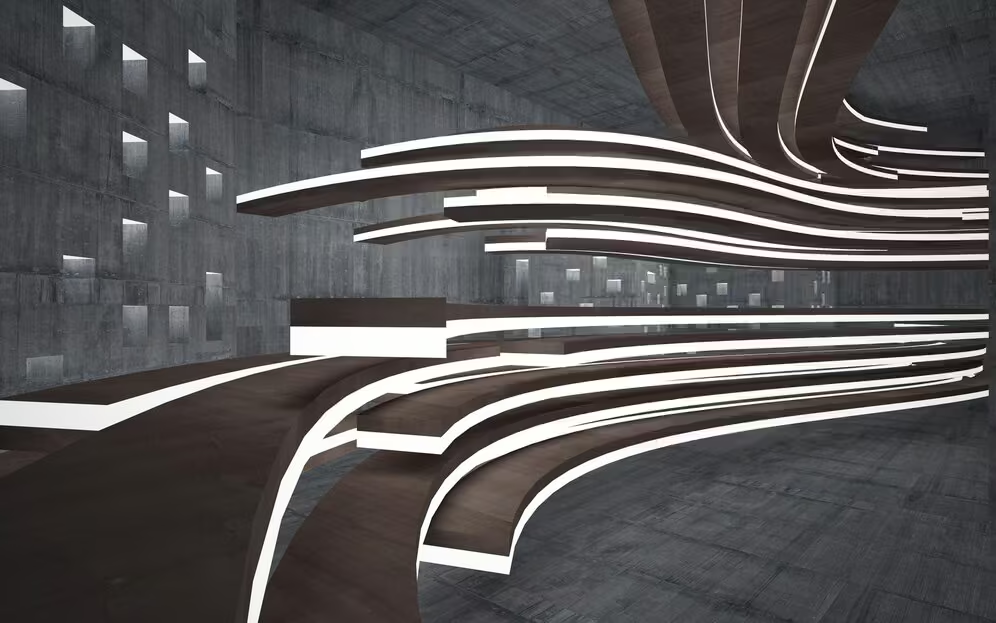
Curve linear lighting refers to a design approach that employs fixtures with soft, flowing lines often mimicking natural forms. This innovative lighting solution is increasingly gaining popularity in contemporary interior design, as it offers both aesthetic and functional benefits. The unique attributes of curve linear lighting allow it to fit seamlessly into various settings such as residential, commercial, and hospitality environments.
The visual appeal of curve linear lighting lies in its ability to create dynamic and engaging spaces. Fixtures such as LED strips, pendant lights, and wall-mounted designs can create a harmonious ambiance that enhances both the architecture and the furnishings of a room. By utilizing gentle curves and smooth transitions, these lighting solutions provide a sense of cohesion, drawing the eye effortlessly across different elements of the design. The fluidity of this approach cultivates an inviting atmosphere, making it a favorite among interior designers and homeowners alike.
In addition to its aesthetic value, curve linear lighting presents several practical advantages. One of the key benefits is its versatility; fixtures can be installed in various orientations and configurations to suit the specific needs of a space. This adaptability ensures that curve linear lighting can be effectively integrated into diverse interior styles—from modern minimalism to classic elegance. Furthermore, the technology behind curve linear lighting, such as energy-efficient LEDs, also contributes to reduced energy consumption, making it an eco-friendly choice for conscious consumers.
As we delve deeper into the applications and benefits of curve linear lighting, it becomes evident that this innovative approach is not just a fleeting trend but a valuable addition to contemporary interior environments. Its ability to blend form and function positions curve linear lighting as a pivotal element in modern design philosophy.
Benefits of Curve Linear Lighting
Curve linear lighting has gained popularity in recent years as an effective solution for enhancing both residential and commercial spaces. One of the primary benefits of this innovative lighting design is its enhanced visual appeal. Unlike traditional lighting fixtures that often appear bulky and intrusive, curve linear lighting integrates smoothly into architectural elements, creating a sleek and modern aesthetic. The soft, appealing contours of curve linear lights can make a room feel more open and inviting, thereby improving the overall ambiance.
Another significant advantage of curve linear lighting is its efficacy in improving spatial perception. The gentle curves and flowing lines of these fixtures can guide the eye along architectural features, helping to define spaces and create a sense of continuity. This spatial manipulation is especially beneficial in areas where space may be limited, as it fosters an illusion of expansiveness. Such careful placement of lighting can also draw attention to specific areas, artworks, or design elements, enhancing the aesthetic narrative of the space.
Versatility in design is another noteworthy benefit that curve linear lighting offers. These fixtures can be employed in various settings, whether suspended from ceilings, embedded in walls, or utilized as accent lighting. Their adaptable nature allows for seamless integration into diverse design schemes, from minimalist interiors to more complex, eclectic environments. Moreover, many curve linear lighting solutions come equipped with LED technology, enhancing their appeal further. LED options are known for their energy efficiency, significantly reducing power consumption compared to traditional incandescent or fluorescent lighting. This not only results in cost savings but also contributes to a reduced carbon footprint, aligning with modern sustainable practices.
Incorporating curve linear lighting can yield numerous benefits—from enhancing aesthetic appeal to promoting energy efficiency—making it an appealing choice for both designers and consumers alike.
Applications of Curve Linear Lighting
Curve linear lighting has emerged as a versatile lighting solution that can significantly enhance various environments, including residential, commercial, and hospitality settings. This innovative lighting design combines aesthetics with practicality, making it suitable for a wide range of applications.
In residential spaces, curve linear lighting can be utilized to create a warm and inviting atmosphere. It is often employed in living rooms, kitchens, and dining areas where the fluidity of the design contributes to an organic flow in the space. For instance, incorporating curve linear fixtures in a kitchen can provide essential task lighting above countertops while also serving as an attractive focal point. The soft curves of the lighting fixtures can break the rigidity often associated with traditional linear lighting, fostering a sense of comfort and relaxation.
Commercial spaces also benefit from curve linear lighting. In office environments, such lighting can help define work zones while enhancing employee well-being. An example includes the use of curve linear lights in collaborative areas, where informal interactions take place. The gentle contours can promote a creative atmosphere, encouraging collaboration among team members. Moreover, retail shops employ curve linear lighting to accentuate merchandise displays, drawing attention to products and creating a more engaging shopping experience.
In hospitality settings, such as hotels and restaurants, curve linear lighting plays a pivotal role in defining brand identity. Elegant lighting can transform lobbies and dining areas into luxurious and sophisticated spaces, enhancing the overall ambiance. For example, a restaurant may utilize curve linear lighting to create intimate dining experiences, where the gentle curves mimic the warmth of natural light, enticing patrons to relax and enjoy their meals.
Overall, curve linear lighting serves multiple purposes across environments, meeting both functional requirements and aesthetic aspirations, thereby illustrating its growing popularity in modern design.
Design Considerations for Curve Linear Lighting
When planning for curve linear lighting installations, various design considerations must be addressed to ensure optimal functionality and aesthetic appeal. Understanding light distribution is fundamental, as the placement of curve linear fixtures can significantly alter the ambiance of the space. Designers should take into account how light interacts with surfaces and materials, ensuring the illumination complements both the architecture and the intended use of the environment. The curvature of the fixtures offers a unique opportunity to create soft shadows and gradients, enhancing the overall visual experience.
Another vital aspect is the integration of natural light into the design. Balancing artificial and natural lighting can augment the effectiveness of the curve linear lighting system. Consideration should be given to the times of day and seasons, which influence the availability of natural light. This can lead to a more dynamic space where illumination adapts seamlessly, thereby maximizing energy efficiency and reducing reliance on artificial sources during daylight hours.
Material selection is equally important. Curve linear lighting can be constructed from various materials, including metal, acrylic, and wood, each imparting a distinct aesthetic. The choice of material should not only align with the existing decor but also contribute to the overall durability and maintenance of the lighting system. For instance, metal fixtures can provide a sleek, modern appearance, while wooden elements can introduce warmth and an organic feel.
Lastly, it is crucial to closely examine how curve linear lighting interacts with existing architecture and interior decor. The design should enhance the space’s characteristics rather than overpower them. Thoughtful placement and design adaptations can lead to harmonious integration, making the lighting a complementary feature rather than a mere necessity. By paying attention to these design considerations, the result will be a cohesive and visually pleasing environment that elevates the overall experience of the space.
Installation Process of Curve Linear Lighting
Installing curve linear lighting can significantly enhance the ambiance of any space. Understanding the installation process is essential for both DIY enthusiasts and those considering hiring professionals. This section outlines the necessary preparations, tools, and materials required, followed by a detailed step-by-step procedure.
Before beginning the installation, it is crucial to assess the area where the curve linear lighting will be installed. Measure the desired length and ensure that the layout complements existing design elements. Additionally, consider the power supply; it must be convenient and conform to local electrical codes. Once the planning phase is complete, gather the necessary materials, which typically includes curve linear light fixtures, mounting brackets, connectors, a transformer if required, and electrical wiring.
The essential tools for this installation process encompass a drill, screwdriver, wire cutters, voltage tester, and a level, along with safety equipment such as gloves and goggles. With all materials and tools at hand, begin by turning off the power supply to avoid electrical hazards. Next, use the level to mark where the mounting brackets will be placed. Make sure the brackets align correctly to ensure that the curve linear lighting hangs evenly.
Once marked, drill holes for the brackets and securely attach them. The next step involves connecting the light fixtures to the brackets, following the manufacturer’s guidelines. It is crucial to connect the wiring properly; this may involve stripping the wire ends and using connectors to link them effectively. After all connections are made, double-check for any loose connections before restoring power.
Finally, turn on the power to test the curve linear lighting. If everything illuminates correctly, your installation is complete, and your space is now well-lit with an elegant curve linear finish. Considering these steps will ensure a successful installation whether executing as a DIY project or coordinating with professionals.
Maintenance and Care for Curve Linear Lighting
Maintaining curve linear lighting systems is crucial for ensuring their longevity and optimal performance. Regular upkeep not only keeps the fixtures looking pristine but also enhances their functionality. One of the primary maintenance tasks involves cleaning the fixtures to prevent dust and debris accumulation, which can impact light output. It is advisable to use a soft, damp cloth to wipe the surfaces and avoid abrasive cleaners that may scratch the finish. For installation areas exposed to moisture or pollution, more frequent cleaning may be necessary.
In addition to routine cleaning, troubleshooting common issues will ensure that the curve linear lighting continues to operate without interruptions. One frequent problem is flickering lights, which may be attributed to loose connections or faulty drivers. Checking all connections and replacing any faulty components will often resolve this issue. If the lighting system is dimming, inspect the dimmer switch or the compatibility of bulbs, as not all dimmers function adequately with curve linear light fixtures.
When addressing more complex problems, it may be prudent to involve a professional. Signs indicating the need for professional servicing include persistent flickering, frequently blown bulbs, or unusual noises emanating from the light fixtures. Enlisting a qualified electrician or lighting technician can help diagnose and repair these issues effectively. Ensuring that regular inspections are conducted can also preemptively identify potential issues before they escalate, safeguarding the functionality of the curve linear lighting.
Ultimately, adopting a proactive approach towards the maintenance and care of curve linear lighting systems will not only enhance their aesthetic appeal but also prolong their operational lifespan. By adhering to these recommended practices, users can enjoy efficient and effective lighting throughout their spaces.
Exploring Advanced Technologies in Curve Linear Lighting
In recent years, curve linear lighting has experienced significant advancements, driven largely by the integration of cutting-edge technologies. These developments are reshaping how both designers and consumers approach lighting, providing enhanced flexibility, ease of use, and creative expression.
A prominent feature in modern curve linear lighting is the implementation of smart lighting systems. These systems allow users to control their lighting through smart devices, offering functionalities such as dimming, color temperature adjustments, and scheduling. By utilizing Wi-Fi or Bluetooth connectivity, users can synchronize their lighting with daily routines, catering their environments to specific moods and activities. This level of control empowers users, as they can tailor lighting to suit personal preferences, making spaces more functional and aesthetically pleasing.
Moreover, app integration has revolutionized the user experience in curve linear lighting. Manufacturers are increasingly providing proprietary applications that connect directly to their lighting systems. Through these apps, users can manage various lighting elements, customize settings, and even create lighting scenes that reflect their unique tastes. Whether for hosting gatherings, enjoying quiet moments, or enhancing productivity at work, these applications facilitate a highly personalized approach to illumination.
Customizable options also play a vital role in the realm of curve linear lighting. With advancements in LED technology, the possibilities of designing unique lighting fixtures have expanded significantly. Users can now select specific colors, shapes, and sizes to create lighting solutions that not only illuminate a space but also serve as artistic focal points. This level of customization encourages creativity and allows for the integration of curve linear lighting into various design aesthetics, from minimalist to eclectic.
Through the combination of smart technologies, app integration, and customizable options, advanced technologies in curve linear lighting enhance user experience while expanding creative possibilities within lighting design. These innovations are transforming environments and fostering greater interaction between users and their spaces.
Cost Considerations for Curve Linear Lighting Services
When considering curve linear lighting services, an understanding of the financial implications is essential for making informed decisions. The initial investment for these lighting systems typically varies based on factors such as design complexity, materials used, and installation conditions. On average, the cost for curve linear lighting can range from a few hundred to several thousand dollars, depending on the specifications and scale of the project. It is advisable to obtain multiple quotes and evaluate the offerings from different service providers to ensure a balanced view of pricing.
Additionally, while the upfront costs may appear significant, it is crucial to account for the potential savings in energy expenses associated with modern curve linear lighting solutions. These systems are often designed for energy efficiency, utilizing LED technology that consumes considerably less power compared to traditional lighting options. As a result, clients can expect a reduction in their monthly energy bills, which could offset some of the initial expenditure over time. Depending on usage, this efficiency could lead to a return on investment within a few years.
Long-term value is another critical aspect to consider. Curve linear lighting not only enhances aesthetic appeal but also contributes to improved functionality within a space, potentially increasing property value. These systems often require less maintenance and have a longer lifespan compared to traditional lighting, further presenting economic advantages. When weighed against their durability and reduced energy consumption, curve linear lighting emerges as a financially sound choice in the long term.
By thoroughly examining both the initial costs and the potential savings, individuals and businesses can make more informed budgeting decisions. Ultimately, selecting curve linear lighting represents not merely an expense but a strategic investment in sustainability and enhanced atmosphere.
Conclusion: The Future of Curve Linear Lighting
Throughout this comprehensive guide, we have explored the multifaceted dimensions of curve linear lighting, emphasizing its role in modern design and architectural aesthetics. This innovative approach to lighting has not only transformed how spaces are illuminated but has also fundamentally changed the way we perceive and experience environments. The seamless integration of curve linear lighting into residential, commercial, and public spaces allows for an enhanced interplay of light and shadow, creating dynamic atmospheres that resonate with users.
As we have discussed, the adaptability and versatility of curve linear designs enable architects and designers to leverage these lighting techniques in a variety of settings. From sleek, minimalist interiors to vibrant, expressive exteriors, the ability to manipulate light along curved lines presents endless possibilities for creativity and expression. This evolution in lighting design aligns with contemporary trends that prioritize sustainability and intelligent design methodologies, culminating in fixtures that are not only visually captivating but also energy-efficient.
Looking ahead, the future of curve linear lighting appears promising, with advancements in technology pushing the boundaries of what is achievable. Innovations such as smart lighting systems and the utilization of sustainable materials are poised to revolutionize our approach to lighting design further. As the demand for personalized and innovative lighting solutions continues to rise, curve linear lighting will undoubtedly play a central role in shaping the ambiance of both private residences and public spaces, enhancing not just aesthetic appeal but also functionality.
In conclusion, the trajectory of curve linear lighting suggests a continued prioritization of form, function, and sustainability in design. As architects and designers embrace these advancements, we can anticipate a future where curve linear lighting not only illuminates spaces but also enriches the architectural narrative of our built environment.